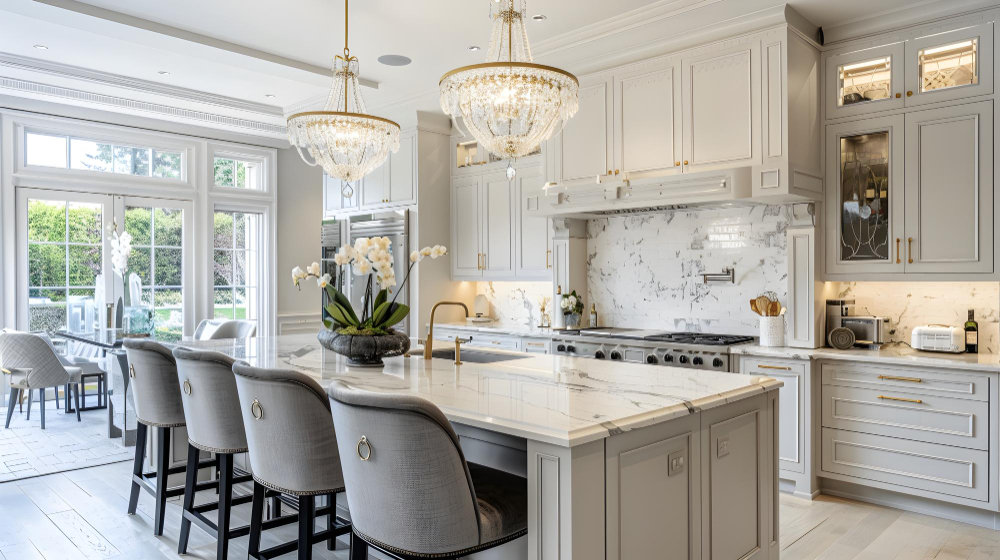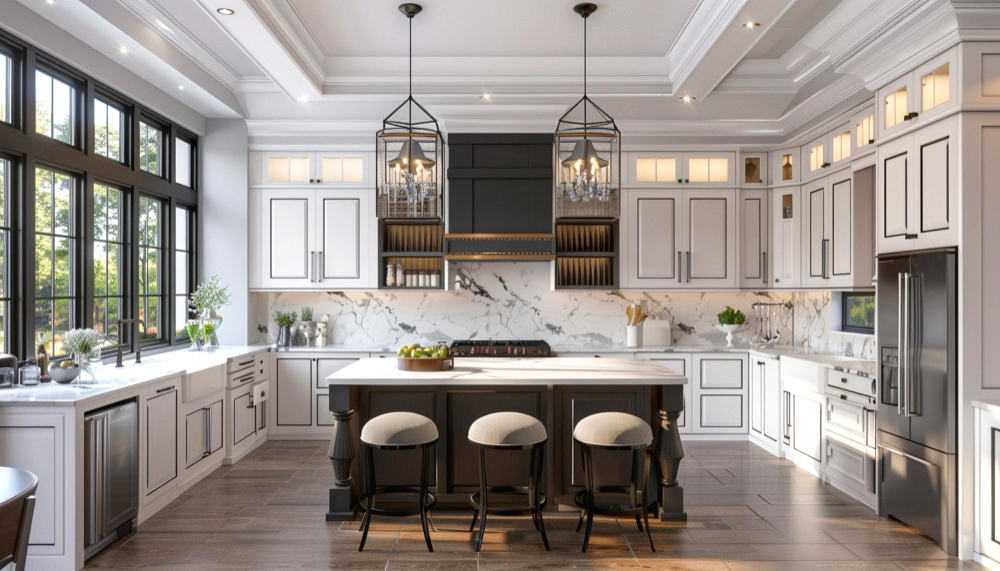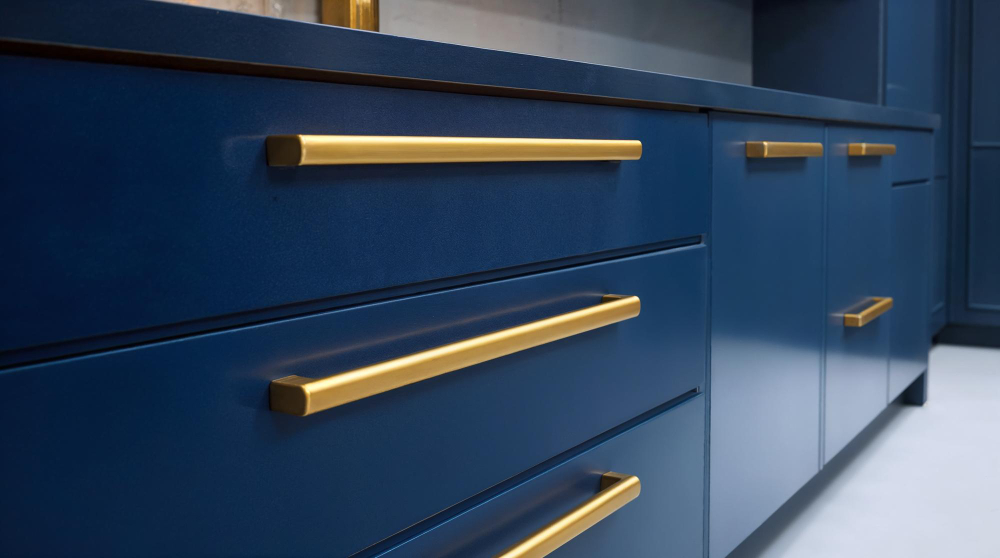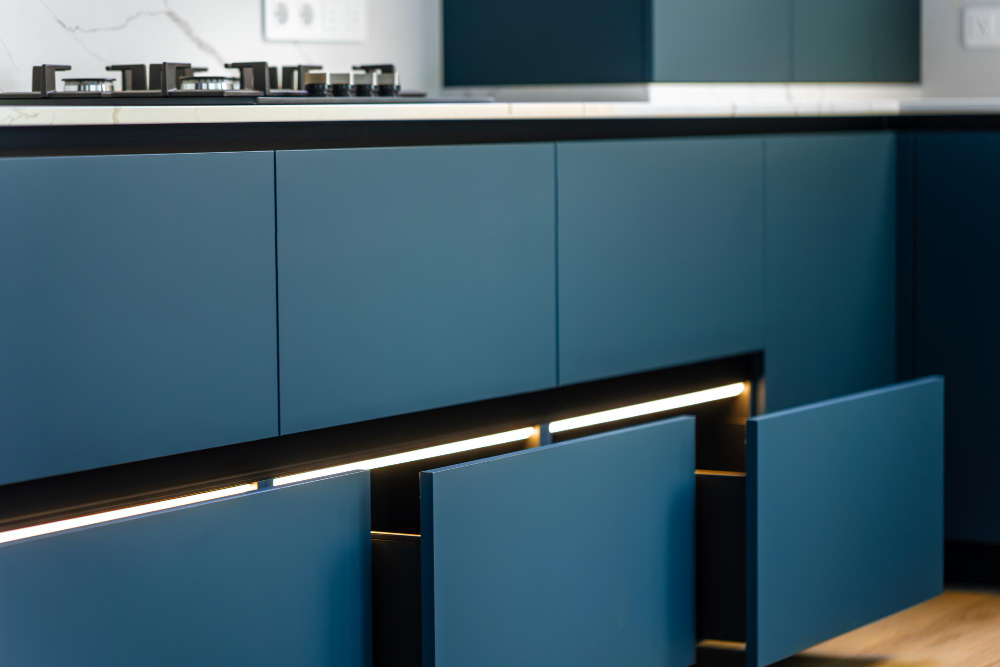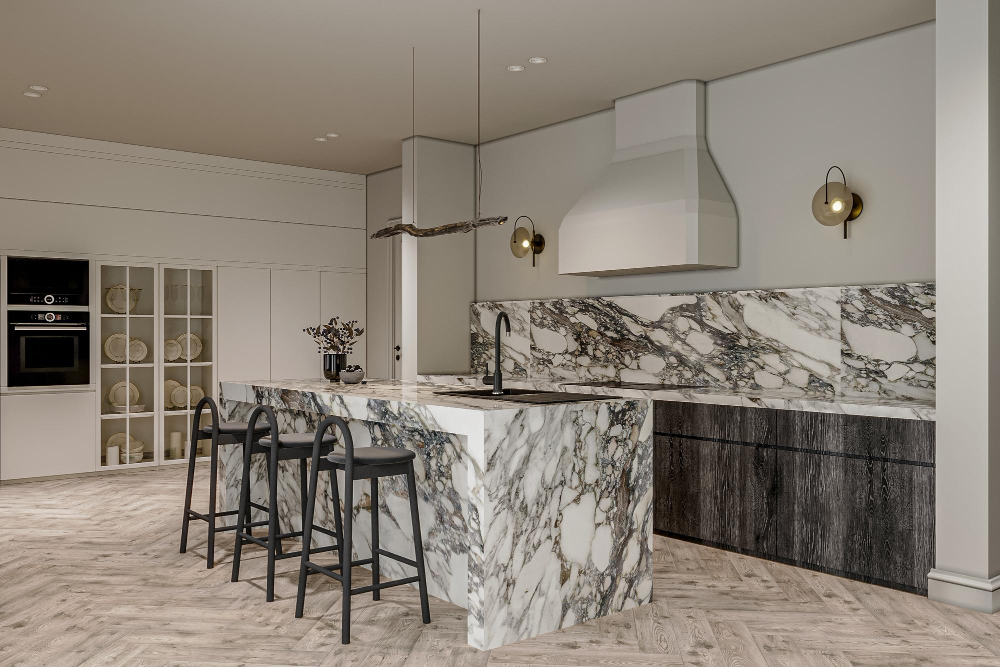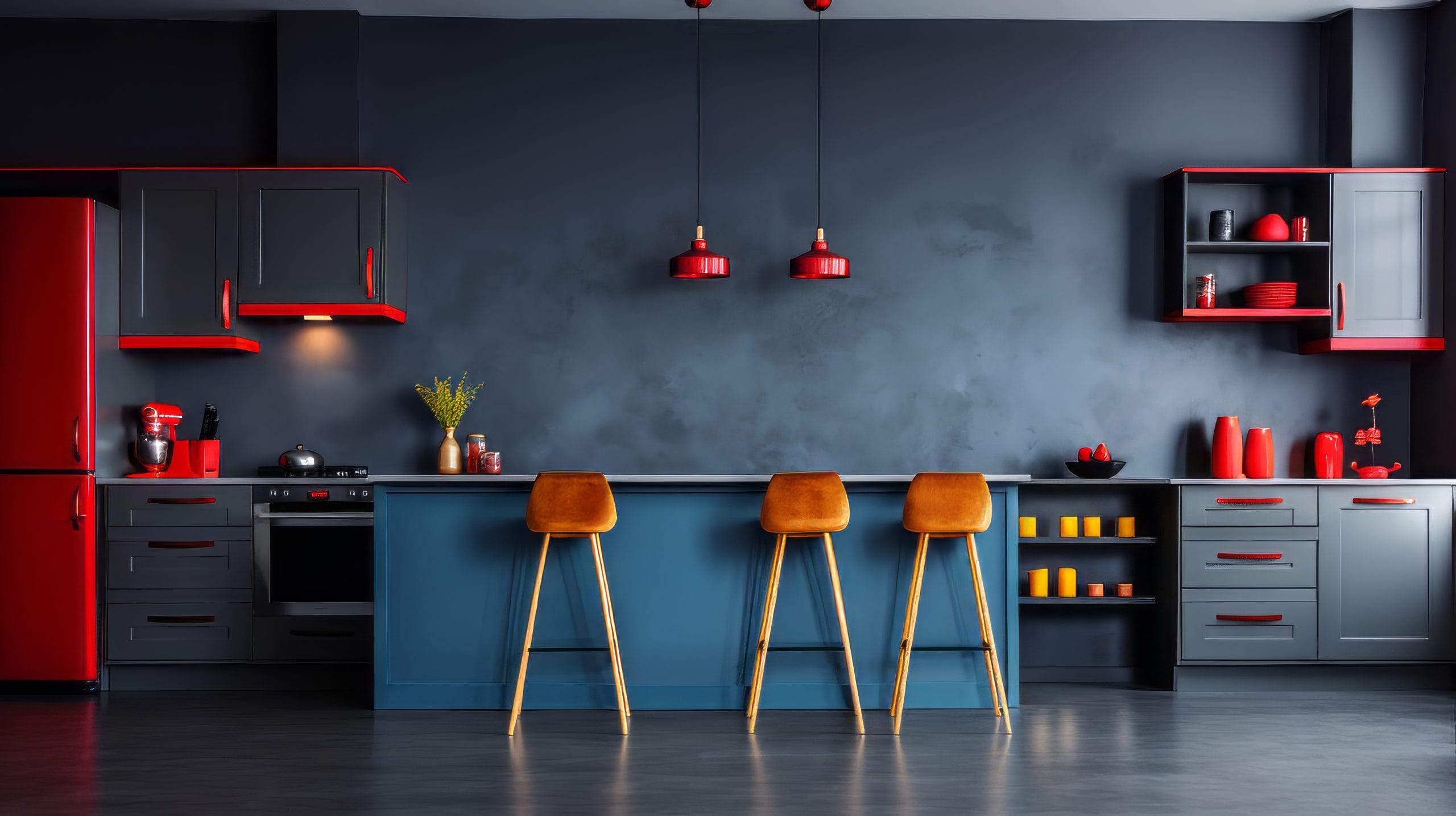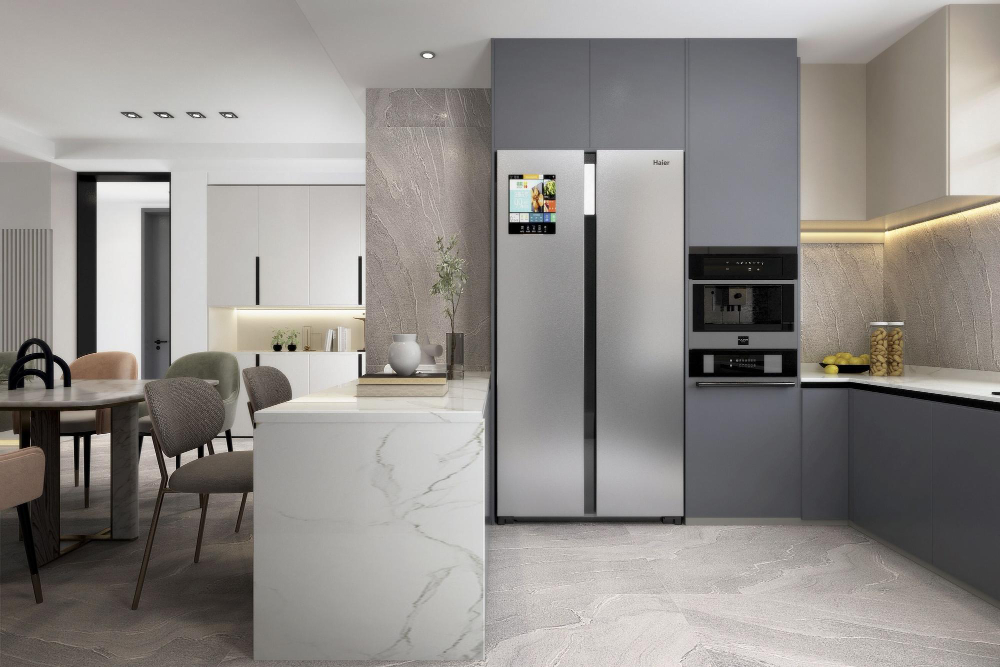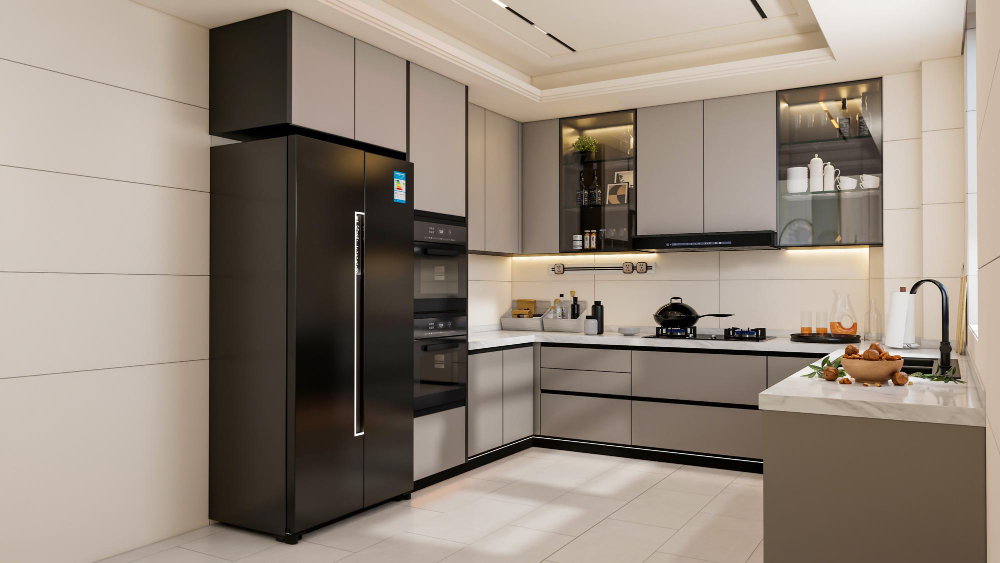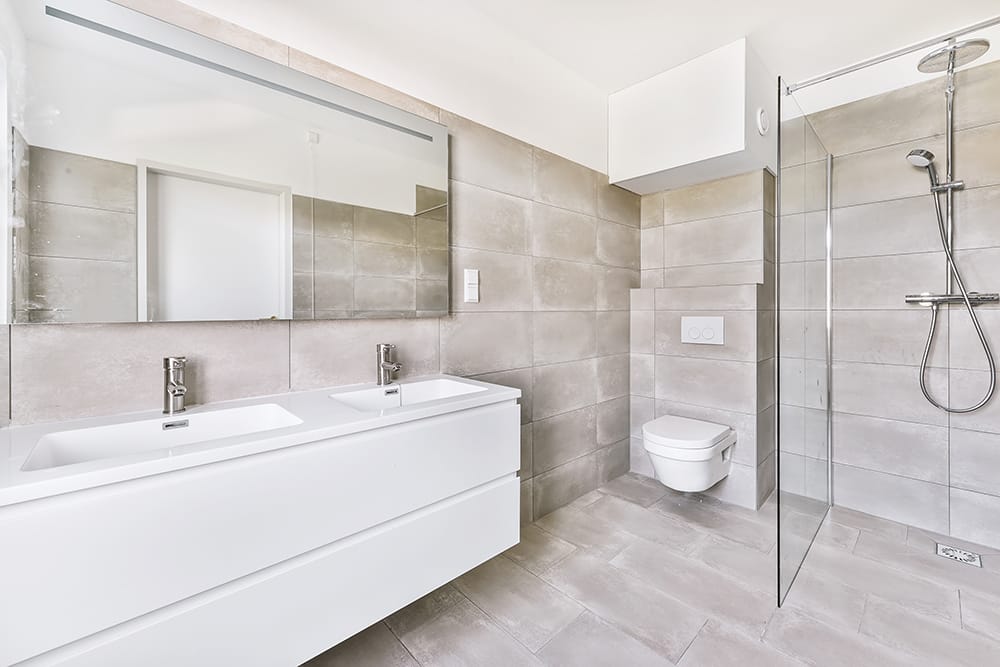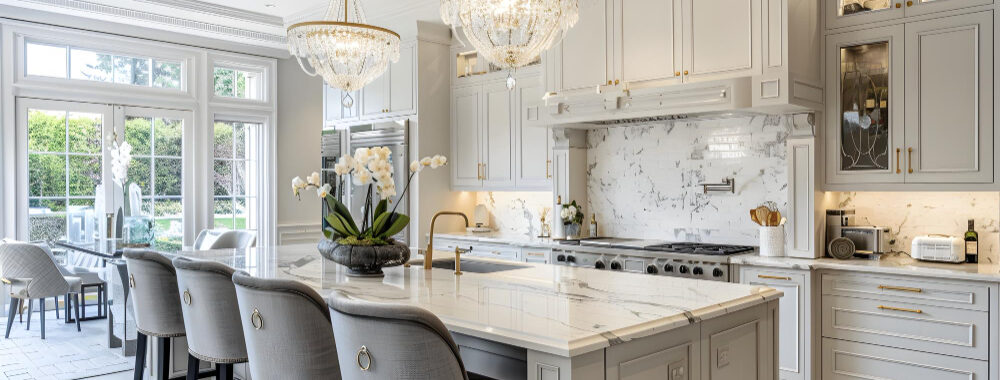
reface kitchen cabinets

Refacing Kitchen Cabinets: What Most People Get Wrong

reface kitchen cabinets

Let me tell you about the time I walked into a kitchen that looked great—on the surface. The cabinets were recently “refaced,” according to the homeowners. But within five minutes of inspecting, I could see the peeling veneer, uneven doors, and corners that were already lifting. It wasn’t just a bad job—it was a waste of money.

If you’re thinking about how to reface kitchen cabinets, the idea is solid: save money, skip a full gut renovation, and give your kitchen a fresh new look. But here’s the truth: most people do it wrong. Either they cut corners, use the wrong materials, or skip prep work. So, let’s walk through how to do it the right way—with a little storytelling, a lot of honesty, and my step-by-step breakdown.


🧱 Step 1: Know What Refacing Actually Means

This is where a lot of people get confused. Refacing isn’t just slapping on new cabinet doors. A proper refacing job includes:

  • Replacing all cabinet doors and drawer fronts

  • Covering existing cabinet boxes with veneer, laminate, or wood panels

  • Swapping out hardware (hinges, handles, pulls)

  • Optional: adding crown molding or trim for a custom look

What it’s NOT: painting the doors and calling it a day. That’s called repainting—not refacing. Big difference.


🛠 Step 2: Inspect Your Cabinet Structure First

Before you think about finishes or colors, look underneath. Ask yourself:

  • Are the cabinet boxes solid?

  • Is the frame made from real wood or MDF?

  • Is there any water damage or warping?

If your cabinets are weak, soft, or falling apart inside, don’t waste your time or money on refacing. Fix the foundation first. As I always say: “Make it right, or don’t do it at all.”


🧽 Step 3: Clean and Sand Everything

This is the step most people skip—and it shows. Kitchen cabinets live a hard life: grease, fingerprints, spills, and years of gunk. Before applying any veneer or adhesive panels, you must clean and sand every inch.

  • Degrease with a heavy-duty cleaner

  • Lightly sand all surfaces to help adhesion

  • Wipe clean with a tack cloth

Trust me, this step determines whether your refacing will last 10 years or peel off in 6 months.


🪵 Step 4: Choose the Right Materials

Here’s where homeowners get overwhelmed. Laminate? Thermofoil? Solid wood veneers?

My recommendation:

  • Real wood veneer for a warm, high-end look

  • Rigid thermofoil for a budget-friendly but durable option

  • Avoid ultra-thin films or cheap stick-on options—they don’t hold up

Always make sure your material is moisture-resistant and rated for kitchen use. Kitchens get steamy, and cheap materials just won’t last.


🧰 Step 5: Precise Application—No Shortcuts

Installing veneer or panels takes patience and accuracy. Here’s how it’s done right:

  1. Measure twice. Cut once.

  2. Apply high-quality adhesive with even pressure.

  3. Use a roller to remove bubbles and ensure contact.

  4. Trim excess with a sharp utility knife.

  5. Let everything cure properly—don’t rush the drying time.

I’ve seen people skip curing time and end up with warped panels. If you’re going to do it, do it like a pro.


🚪 Step 6: Upgrade the Hardware

Don’t reuse those old, squeaky hinges or dated knobs. New hardware is what makes your refaced cabinets feel new.

  • Soft-close hinges for drawers and doors

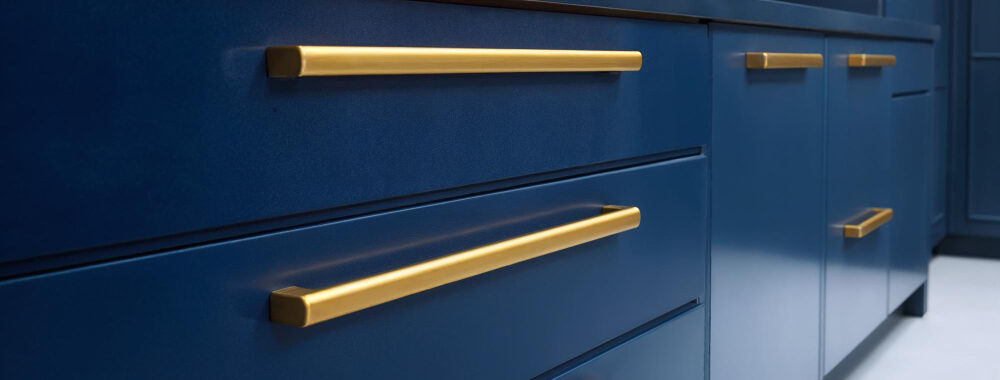
  • Sleek pulls or knobs in brushed nickel, matte black, or bronze

  • Consider pull-out shelves or interior lighting for a real upgrade

Small changes here make a big impact—and add serious functionality.


🚫 What Most People Get Wrong

Let’s be clear. These are the top mistakes I see over and over:

  • Skipping prep work (cleaning/sanding)

  • Using poor-quality adhesive

  • Not aligning doors properly

  • Cheap materials that don’t age well

  • Rushing the process

And the biggest one? Thinking they can cut corners and still get professional results. You can save money by refacing—but only if you do it right the first time.


✅ The Holmes-Approved Bottom Line

Refacing your kitchen cabinets can absolutely transform the heart of your home—without tearing it apart. It’s budget-friendly, eco-conscious, and smart… if done correctly.

  • Check your structure

  • Choose quality materials

  • Take your time

  • Hire a pro if you’re not 100% confident

Don’t just aim for “better.” Aim for done right. Because nothing’s worse than spending time and money—just to redo it all again next year.


📢 Ready to Give Your Kitchen the Upgrade It Deserves?

Refacing your kitchen cabinets is one of the smartest, most cost-effective renovations out there—if you treat it like a real project, not a weekend craft. Make the call, get expert help, and make it right from the start.

reface kitchen cabinets
A Cautionary Tale: How One Sacramento Bath Remodel Revealed Everything Wrong—and How to Fix It Right

A Cautionary Tale: How One Sacramento Bath Remodel Revealed Everything Wrong—and How to Fix It Right

A Cautionary Tale: How One Sacramento Bath Remodel Revealed Everything Wrong—and How to Fix It Right

Home renovation stories often begin with a vision of transformation—but they should always begin with the truth. In the case of this bath remodel Sacramento, what started as a cosmetic update quickly became a textbook example of why every homeowner must focus on what lies behind the walls, not just what’s on the surface.


🧱 The Homeowner’s Challenge

Angela and Robert, longtime residents of East Sacramento, contacted a contractor to update their aging bathroom. The tiles were outdated, the plumbing unreliable, and the ventilation poor. Still, they believed the issues were mostly cosmetic—until the demolition began.

Behind the walls was a different story:

  • Improperly installed moisture barrier behind the tub wall

  • Outdated electrical lacking GFCI protection near water sources

  • Flooring damage due to years of slow leaks

  • Mold growth behind drywall that had gone unnoticed

This was no longer a simple renovation—it was a structural repair job.


🧰 The Holmes Approach: Start With What You Can’t See

Mike Holmes often says, “Make it right—not just pretty.” That starts with the hidden systems: framing, wiring, plumbing, and waterproofing. Before tile or paint, you have to deal with function and safety.

For Angela and Robert, that meant:

  • Replacing subflooring with water-resistant materials

  • Installing cement backer board in all wet zones

  • Running new grounded and GFCI-protected electrical wiring

  • Upgrading to PEX plumbing and adding shut-off valves

  • Adding proper ventilation ducted to the outside, not the attic

Only once these foundational systems were repaired did the surface work begin.


🎨 The Design—Rooted in Function

Their remodel wasn’t flashy—it was intentional. Every material was chosen for its durability and longevity:

  • Matte-finished porcelain tile: slip-resistant, low-maintenance

  • Quartz countertops: stain- and water-resistant

  • Acrylic tub-shower combo: easier to clean and maintain

  • Solid wood vanity with sealed finish: moisture-resilient and built to last

  • LED lighting: low-energy, high-output, and safe

The goal was simple: a bathroom that would work well for the next 20 years.


💰 The Cost Breakdown

  • Total investment: $27,000

  • Unexpected repairs: $6,500 (mold remediation, subfloor replacement, rewiring)

  • Added home value: Estimated at $18,000

  • Peace of mind: Immeasurable

While the additional costs were unexpected, the long-term savings—fewer repairs, no mold risk, better energy efficiency—more than justified the decisions.


📌 Final Thought: Building Smart in Sacramento

Sacramento’s varied climate—hot summers, cool winters, occasional moisture—demands thoughtful, science-backed remodeling. Cutting corners in a bathroom isn’t just risky—it’s expensive.
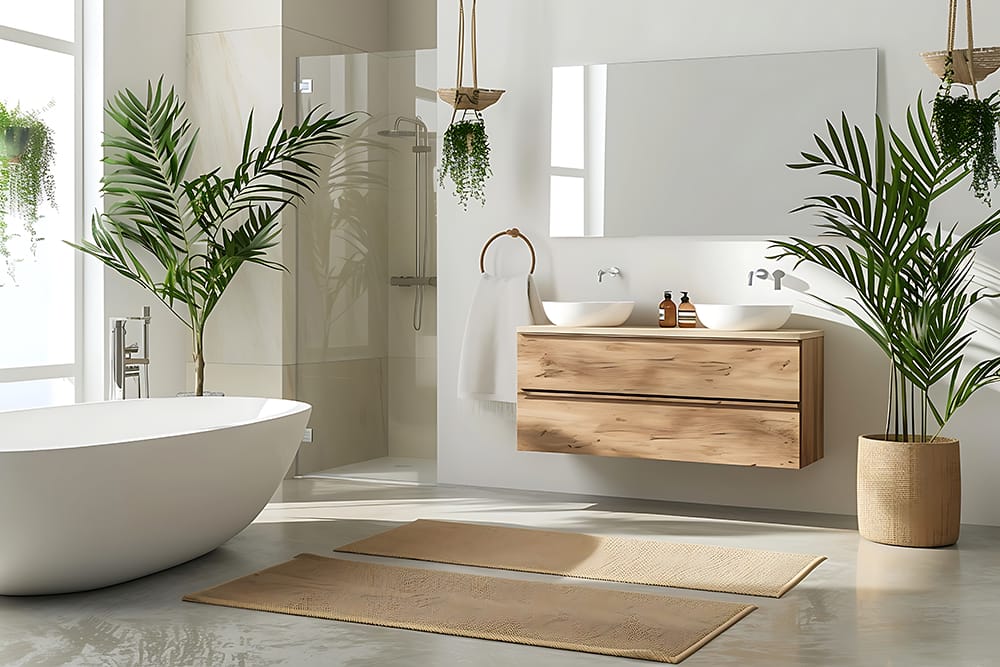
Angela and Robert’s remodel proved a key point: when you do it right the first time, you don’t just get a nicer space—you get a safer, smarter home.


🧰 CALL TO ACTION

Planning a bath remodel Sacramento?
Choose a team that builds to last. Our licensed professionals put safety, structure, and quality first—just like Mike Holmes would. Schedule a consultation today and build smart from the start.

A Cautionary Tale: How One Sacramento Bath Remodel Revealed Everything Wrong—and How to Fix It Right
Riva Spain Floors: Where Minimalist Design Meets Lasting Performance

Riva Spain Floors: Where Minimalist Design Meets Lasting Performance

Riva Spain Floors: Where Minimalist Design Meets Lasting Performance

When selecting flooring for a contemporary home, the intersection of elegance, durability, and simplicity is critical. Riva Spain floors offer a design-forward solution that delivers all three—with the added benefit of European craftsmanship and cutting-edge material technology.

In the clean, minimalist, and assertive style of Alison Victoria, this guide explains why Riva Spain has become a go-to choice for discerning homeowners and designers alike.


A Refined Foundation for Modern Interiors

Riva Spain flooring products are known for their streamlined aesthetics:

  • Neutral tones and subtle textures

  • Wide plank formats for visual continuity

  • Smooth matte finishes that minimize reflection and elevate calm

These floors are not meant to dominate a room—they are engineered to support the architecture and furnishings with quiet confidence.

Authoritative Design Insight: Simplicity is not the absence of detail—it’s the mastery of it. Riva Spain floors achieve exactly that.


Materials That Perform

Available in both natural wood and high-tech engineered formats, Riva Spain products are crafted for resilience and longevity:

  • Scratch-resistant finishes suitable for high-traffic areas

  • Moisture-tolerant core technologies for kitchens, baths, and basements

  • Sustainably sourced and low-VOC options for healthier homes

Whether you choose natural oak or an ultra-durable synthetic plank, you can expect precision milling, dimensional stability, and enduring beauty.

Alison’s Standard: If it doesn’t last, it doesn’t belong in your home.


Design Flexibility

Riva Spain’s minimalist palette enhances design freedom:

  • Works with Scandinavian, modern, Japandi, or transitional spaces

  • Pairs effortlessly with concrete, stone, or matte metal finishes

  • Supports both open-concept and room-by-room layouts

Professional Note: Uniform flooring throughout a home promotes visual flow and increases perceived square footage.


Installation and Maintenance

Riva Spain flooring products are engineered for ease of installation:

  • Tongue-and-groove or click-lock systems

  • Compatible with radiant heating systems

  • Anti-warp and low-maintenance surface treatments

Day-to-day care requires only basic sweeping and occasional damp mopping. No waxing. No special solutions.


Final Evaluation

Riva Spain floors exemplify the intersection of aesthetics, performance, and understated luxury. They are ideal for those seeking a crisp, composed interior that celebrates clean lines, warm texture, and timeless sophistication.

If your design vision calls for a modern floor that enhances rather than competes, Riva Spain delivers—with authority.

Call to Action

Explore the elevated simplicity of Riva Spain flooring with our expert team. We can help you choose the perfect tone, plank, and finish to complete your space with clarity and confidence.

Riva Spain Floors: Where Minimalist Design Meets Lasting Performance
Cabinet Refacing: A Budget-Friendly Way to Refresh Your Kitchen

CAMBRIA Quartz Countertops: The Smart, Stylish Surface That Works as Hard as You Do

Cabinet Refacing: A Budget-Friendly Way to Refresh Your Kitchen

In today’s home renovations, countertops are more than just a place to prep your meals—they’re an essential design feature and daily-use surface that must be both beautiful and built to last. That’s why CAMBRIA quartz countertops are an increasingly popular choice for homeowners who want performance without compromise.

In the practical, data-driven style of Bryan Baeumler—with just the right amount of inspiration—here’s a breakdown of why CAMBRIA might just be the smartest surface in your home.


Why CAMBRIA? The Key Data

CAMBRIA is an American-made, premium quartz surface composed of 93% natural quartz, making it one of the hardest and most durable materials available for residential use.

  • Non-porous: No sealing needed—ever.

  • Stain resistant: Resists coffee, wine, oils, and sauces.

  • Scratch resistant: Harder than granite on the Mohs scale (score: 7 out of 10).

  • Certified food-safe: NSF-51 certified for kitchen prep.

  • Lifetime warranty: Backed by industry-leading coverage.

Baeumler’s Take: Great design starts with products that do more than look good. They need to last, perform, and justify the investment.


Design Meets Durability

With over 200 color options across modern, classic, and bold patterns, CAMBRIA offers:

  • Bookmatched veining for dramatic islands

  • Matte and high-gloss finishes to suit any aesthetic

  • Edge profile variety for both modern and traditional spaces

Whether you lean minimalist or statement-maker, there’s a CAMBRIA design for your vision.

Inspiration Insight: You don’t have to sacrifice beauty for practicality. With the right surface, you can have both.


How CAMBRIA Compares

FeatureCAMBRIA QuartzGraniteMarble
MaintenanceNone (no sealing)Requires regular sealingHigh maintenance
DurabilityVery highHighLow
Stain ResistanceExcellentModeratePoor
Design ConsistencyControlled patternsNatural variationNatural variation
Price Range (per sq. ft.)$80–$150+$50–$100$100–$200+

Sustainable and American-Made

CAMBRIA takes pride in:

  • Domestic manufacturing (Minnesota-based)

  • Recycling 100% of water used in production

  • Using responsibly sourced materials

Baeumler Insight: Quality construction doesn’t just serve today—it respects tomorrow.


Real Inspiration: Countertops That Last a Lifetime

Whether you’re building your dream home or updating your kitchen to match your lifestyle, CAMBRIA quartz delivers a high-performance surface that feels as good as it looks. It stands up to busy families, aspiring chefs, and guests who never use coasters.

If you’re investing in your home, invest in something that lasts—and that you’ll enjoy every day.

Call to Action

Looking to upgrade your kitchen with a countertop that checks every box? Let us help you choose and install a CAMBRIA quartz surface that brings both elegance and endurance to your space.

Countertop Installation: A Key Element in Your Kitchen Transformation
Tile Installation: A Key Upgrade for Any Bathroom Remodel

Don’t Wait—The Truth About Bathroom Renovation Cost in Murphy

Tile Installation: A Key Upgrade for Any Bathroom Remodel

If you’re standing in your outdated bathroom wondering, “How much is this going to cost me?”—you’re asking the right question.

But here’s a better one: How much is it going to cost you if you wait?

Whether your tiles are cracked, your vanity’s sagging, or your shower takes ten minutes to heat up, now’s the time to get serious about your bathroom renovation cost in Murphy—because prices are climbing and contractor schedules are filling up.

Let’s break this down.


💸 What Should You Expect to Pay?

Here’s a realistic cost range for bathroom renovations in Murphy (based on real jobs, not wishful thinking):

Project ScopeEstimated Cost
Basic Refresh (paint, fixtures, lighting)$7,500 – $10,000
Full Mid-Range Renovation$13,000 – $20,000
High-End Modern Remodel$25,000 – $40,000+

Copy

Want that spa-like feel with clean lines, floating vanities, and high-end tile? You’re looking at Modern Design elements that fall in the mid to high range—but every dollar should work hard.


⚠️ Why Waiting Will Cost You More

Let’s be clear: bathroom remodel costs in Murphy are not going down. Here’s why:

  • Material prices are up 8–15% over last year

  • Labor demand is through the roof—top contractors are booking out 2–4 months

  • Delays mean more wear and tear (and more you’ll have to fix later)

This isn’t fear-mongering—it’s fact. If you’re thinking about it now, act before you’re forced to.


✅ Where to Spend (and Where to Save)

Spend on:

  • Waterproofing and proper plumbing

  • Durable surfaces—especially flooring and shower materials

  • Smart storage with functional layout

Save on:

  • Keeping your current layout

  • Pre-designed modern cabinetry over full custom

  • Simple, timeless tile choices

You don’t need gold-plated faucets. You need a space that’s built right—and built to last.


🔧 Mike’s “Do It Right” Checklist

Before you hire anyone, ask:

  • Do they have recent, local references?

  • Are permits, demo, disposal, and finishes included in the quote?

  • Do they know code and follow it to the letter? (No shortcuts, ever.)

A bathroom reno isn’t just a weekend project. It’s plumbing, electrical, ventilation, and structural. You need someone who gets it right—the first time.


🔚 Final Word from Mike

If your bathroom’s not serving your family, your needs, or your home’s value—it’s time.

Don’t wait until the faucet fails, the grout cracks worse, or moisture starts eating away behind the walls.
Find out your real bathroom renovation cost in Murphy, build your budget, and bring in the pros.

Because when it’s done right? You don’t just get a better bathroom.
You get peace of mind—for years.

Tile Installation: A Key Upgrade for Any Bathroom Remodel
Exploring the Convenience of Online Auctions Near Me

Exploring the Convenience of Online Auctions Near Me

Exploring the Convenience of Online Auctions Near Me

In today’s fast-paced world, the appeal of finding online auctions near me is undeniable. These platforms provide the perfect balance of convenience and excitement, allowing users to bid on a wide range of items from the comfort of their homes. From rare collectibles to everyday essentials, online auctions bring an array of treasures right to your fingertips.

Why Choose Online Auctions Near Me?

Opting for online auctions near me offers several advantages:

  1. Local Accessibility: Online platforms often feature items located nearby, making pickup or shipping faster and more cost-effective.
  2. Diverse Offerings: From antiques to electronics, there’s something for everyone.
  3. Convenience: Bid anytime, anywhere, without the need to attend a physical auction.
  4. Cost Savings: Competitive bidding allows you to snag deals well below retail prices.

How to Find Online Auctions Near Me

Discovering the best online auctions near me is easy with these tips:

  • Search Engines: Use platforms like Google to find local auction websites.
  • Auction-Specific Sites: Websites such as eBay and AuctionZip let you filter results by location.
  • Social Media: Many auction houses promote their events on Facebook and Instagram.
  • Community Boards: Check local forums and classified ads for announcements about nearby auctions.

Tips for Successful Bidding

  1. Do Your Research: Understand the value of the items you’re interested in to avoid overbidding.
  2. Set a Budget: Decide your maximum bid and stick to it.
  3. Watch Timers Closely: Online auctions often have countdowns that require quick decisions.
  4. Understand the Terms: Familiarize yourself with shipping policies, fees, and payment methods.

The Thrill of the Hunt

Participating in online auctions near me isn’t just about finding items; it’s about the excitement of bidding. The competitive atmosphere and the potential for incredible deals make it a thrilling experience for shoppers of all interests.

Conclusion

Whether you’re a seasoned collector or a first-time bidder, online auctions near me offer a unique opportunity to discover fantastic items and great savings. With a bit of preparation and strategy, you can turn every auction into a rewarding experience.

Exploring the Convenience of Online Auctions Near Me
Countertop Replacement: Revitalize Your Kitchen with a Fresh Surface

Countertop Replacement: Revitalize Your Kitchen with a Fresh Surface

Countertop Replacement: Revitalize Your Kitchen with a Fresh Surface

The kitchen countertop is more than just a functional workspace; it’s a design centerpiece that sets the tone for your entire kitchen. If your current countertop is outdated, damaged, or simply no longer suits your style, replacing it can transform the look and functionality of your space. Countertop replacement is a straightforward yet impactful upgrade that brings value and charm to your kitchen.

Why Replace Your Countertop?

  1. Improved Aesthetics
    A new countertop can redefine the style of your kitchen, whether you’re aiming for sleek modernity, rustic charm, or timeless elegance.

  2. Enhanced Durability
    Replacing old, worn countertops with durable materials like quartz, granite, or solid surface ensures longevity and resilience against daily wear and tear.

  3. Increased Home Value
    A high-quality countertop replacement boosts the resale value of your home, making it a smart investment.

  4. Better Functionality
    Upgrading to a more durable or heat-resistant material improves the functionality of your kitchen, making cooking and entertaining more enjoyable.

Popular Countertop Materials

  1. Quartz

    • Pros: Non-porous, low maintenance, available in a wide range of colors and patterns.
    • Cons: Can be more expensive than other options.
  2. Granite

    • Pros: Natural beauty, heat-resistant, highly durable.
    • Cons: Requires periodic sealing to maintain its integrity.
  3. Butcher Block

    • Pros: Warm, organic aesthetic; perfect for farmhouse or rustic kitchens.
    • Cons: Prone to scratches and water damage without proper care.
  4. Solid Surface

    • Pros: Seamless appearance, easy to repair, customizable.
    • Cons: Less heat-resistant than stone materials.
  5. Laminate

    • Pros: Affordable, available in a variety of designs.
    • Cons: Less durable and susceptible to scratches.
  6. Concrete

    • Pros: Industrial aesthetic, fully customizable.
    • Cons: Heavy and requires sealing to prevent staining.

The Countertop Replacement Process

  1. Assessment and Planning

    • Measure your existing countertop space and evaluate its layout.
    • Choose a material and color that complements your kitchen design.
  2. Removal of Old Countertop

    • Carefully dismantle the existing countertop to prepare for the new installation.
  3. Surface Preparation

    • Ensure the base cabinets are level and secure to support the new countertop.
  4. Installation

    • Place the new countertop, secure it to the cabinets, and finish edges and seams for a seamless look.
  5. Sealing and Finishing (if required)

    • Apply sealants or finishes for materials like granite or butcher block to enhance durability.

Tips for Choosing the Right Countertop

  • Lifestyle Considerations: If you cook frequently, opt for durable and heat-resistant materials like quartz or granite.
  • Budget: Laminate and butcher block are cost-effective choices, while quartz and granite may require a larger investment.
  • Design: Match your countertop material and color to your cabinetry, backsplash, and flooring for a cohesive look.
  • Maintenance: Choose low-maintenance materials if you prefer minimal upkeep.

DIY vs. Professional Installation

While some homeowners may attempt countertop replacement as a DIY project, professional installation is recommended for precise cuts, proper alignment, and securing heavy materials like stone or concrete. A professional ensures a flawless finish and prevents costly mistakes.

Conclusion

Countertop replacement is a transformative kitchen upgrade that enhances both aesthetics and functionality. With numerous material options and customizable designs, you can tailor your new countertop to reflect your style while accommodating your practical needs. Whether you choose quartz for its durability, butcher block for its warmth, or granite for its timeless elegance, replacing your countertop is an investment that pays off in beauty and usability.

Countertop Replacement: Revitalize Your Kitchen with a Fresh Surface
Commercial Siding: Enhancing Business Curb Appeal and Durability

Commercial Siding: Enhancing Business Curb Appeal and Durability

Commercial Siding: Enhancing Business Curb Appeal and Durability

When it comes to commercial properties, the exterior is the first thing clients, customers, and potential tenants notice. Whether you’re building a new office building, a retail store, or upgrading an existing structure, commercial siding plays a crucial role in enhancing your property’s curb appeal, energy efficiency, and long-term durability. In this article, we’ll explore why commercial siding is essential for businesses and the different options available to help you make the right choice for your building.

The Importance of Commercial Siding

For commercial properties, siding isn’t just about aesthetics; it’s about protection and performance. A well-installed, durable siding system can protect your building from the elements while improving insulation, which leads to energy savings. Moreover, siding is a crucial element in the building’s overall value, so choosing the right material can be a smart long-term investment.

  1. First Impressions Matter
    The exterior of your commercial building serves as the first impression of your business. Whether you run a trendy café or a corporate office, you want your property to exude professionalism and attract clients. Commercial siding options come in various styles, colors, and finishes that allow you to reflect your business’s brand and appeal to your target audience. Modern siding systems can replicate the look of natural materials like wood or stone, offering an upscale aesthetic without the maintenance.

  2. Weather Protection
    Commercial buildings need to withstand all types of weather conditions, from intense heat to freezing cold. Siding protects the underlying structure from rain, snow, and high winds. High-quality commercial siding options such as fiber cement or insulated vinyl ensure that your building remains safe from the elements and avoids costly repairs in the future.

  3. Energy Efficiency
    The exterior of your commercial property plays a big role in its overall energy efficiency. Insulated commercial siding can dramatically reduce heating and cooling costs by creating a better barrier against outdoor temperatures. Energy-efficient siding materials can help keep your building comfortable year-round, leading to a significant reduction in energy bills and a lower carbon footprint for your business.

Popular Commercial Siding Options

Choosing the right siding material for your commercial property can be overwhelming due to the wide range of options available. Below are some of the most popular commercial siding materials, each offering unique advantages:

  1. Vinyl Siding
    Vinyl siding is one of the most commonly used materials for commercial properties due to its affordability, ease of maintenance, and durability. Available in various colors and styles, vinyl siding can provide an aesthetically pleasing finish while offering solid protection against the elements. It’s also low-maintenance, requiring little more than occasional cleaning to keep it looking fresh.

  2. Fiber Cement Siding
    Fiber cement siding is an extremely durable option made from a mixture of wood pulp, cement, and sand. It’s known for its resistance to fire, rot, and termites, making it a great option for buildings in areas prone to these issues. Fiber cement can also be painted in a variety of colors, offering flexibility in design. With its longevity and weather resistance, fiber cement is often seen on upscale commercial properties.

  3. Metal Siding
    Metal siding, particularly aluminum and steel, is known for its modern look and exceptional durability. Metal siding offers superior protection against extreme weather conditions, is fire-resistant, and is highly resistant to pests. It’s an excellent option for industrial or warehouse buildings, but it can also be used in modern architectural designs. Aluminum siding is lightweight and corrosion-resistant, while steel siding offers additional strength and security.

  4. Wood Siding
    Wood siding can be a beautiful and timeless choice for commercial properties, especially in areas where rustic or traditional aesthetics are important. While it requires more maintenance than other materials, it provides unmatched natural beauty and versatility. Wooden boards can be stained or painted, allowing you to customize the look of your building to align with your brand.

  5. Stone or Brick Veneer Siding
    Stone or brick veneer offers a premium look and unmatched durability. These materials are known for their strength and long-lasting beauty. Stone and brick veneers can mimic the look of solid stone or brick but are lighter and easier to install. While the initial cost can be higher, these materials offer an upscale, timeless appearance that can enhance the value of your commercial property.

The Installation Process

Installing commercial siding is a complex task that should be performed by experienced professionals. The installation process varies depending on the material used, but generally, it involves the following steps:

  1. Preparation: The surface of the building is cleaned and prepped for siding installation. Any old siding or damaged materials are removed to ensure a solid foundation.
  2. Installation: The siding is carefully installed to ensure a secure fit. For insulated siding, additional layers of insulation are added during installation to improve energy efficiency.
  3. Finishing Touches: Trim and caulking are applied around windows and doors to seal the siding and prevent moisture penetration. The final touches ensure the siding looks clean and professional.

Maintenance Tips for Commercial Siding

Commercial siding is designed to be durable, but regular maintenance can help extend its lifespan and maintain its appearance:

  • Clean Regularly: Dust, dirt, and environmental pollutants can build up on the surface of the siding. Regular cleaning will keep the exterior looking fresh.
  • Inspect for Damage: Check for cracks, warping, or loose panels that could allow moisture to penetrate. Addressing small issues early can prevent larger, more costly problems later on.
  • Repaint or Refinish: Depending on the material, your siding may need to be repainted or refinished every few years to maintain its color and protection.

Conclusion

Commercial siding is a crucial component of your building’s exterior. Not only does it affect curb appeal, but it also provides essential protection and helps reduce energy costs. With a variety of materials to choose from, including vinyl, fiber cement, metal, wood, and stone, you can find the perfect solution for your commercial property. Whether you prioritize durability, aesthetics, or energy efficiency, the right siding can make a significant difference in the long-term performance and appearance of your building.

Commercial Siding: Enhancing Business Curb Appeal and Durability
Countertop Installation: A Key Element in Your Kitchen Transformation

Countertop Installation: A Key Element in Your Kitchen Transformation

Countertop Installation: A Key Element in Your Kitchen Transformation

When planning a kitchen remodel, one of the most impactful changes you can make is installing new countertops. Not only do countertops play a central role in the functionality of your kitchen, but they also significantly influence the overall aesthetic of the space. Whether you’re looking for something sleek and modern or warm and traditional, choosing the right countertop material and installation process is crucial to achieving your dream kitchen.

In this article, we’ll explore the countertop installation process, the benefits of various countertop materials, and why upgrading your kitchen countertops can be a game-changer.

The Countertop Installation Process

Countertop installation is a precise and detailed process that typically requires professional expertise. From selecting the right material to ensuring a perfect fit, every step must be executed with care to ensure a durable and attractive result.

Here’s a step-by-step overview of what you can expect during countertop installation:

1. Measurement and Template Creation:
Before installation begins, accurate measurements of your existing countertop space are taken. If you’re installing new cabinetry, the measurements will be taken after the cabinets are in place. These measurements are used to create a template for your new countertops, ensuring that the fit is precise.

2. Selection of Countertop Material:
There are many countertop materials to choose from, each with its own set of advantages. Some of the most popular options include:

  • Granite: Known for its durability and natural beauty, granite countertops are a classic choice for many kitchens. Available in a wide range of colors and patterns, granite can be a timeless addition to any home.
  • Quartz: Engineered for durability, quartz countertops are resistant to stains and scratches, making them an excellent option for high-traffic kitchens.
  • Marble: With its luxurious appeal, marble countertops offer elegance and sophistication. However, they require more maintenance to avoid staining.
  • Wood: For a warm and rustic look, wooden countertops are a charming option. They’re easy to maintain with regular oiling but can show wear over time.
  • Laminate: A budget-friendly option, laminate countertops come in a variety of styles and colors but are less durable than natural stone alternatives.

3. Fabrication and Cutting:
Once the material is selected, the fabrication process begins. If you’ve chosen a stone or quartz countertop, it will be cut to size based on the template. If you’ve chosen a material like laminate or wood, the fabrication process will involve cutting and finishing the edges.

4. Installation:
After the countertops are fabricated, they’re ready to be installed. For stone or quartz countertops, this involves placing large slabs onto the cabinets and ensuring they’re level and secure. For laminate or wooden countertops, the process will be similar but may involve attaching the countertop in pieces.

5. Seam Fitting and Edge Detailing:
If your countertop requires multiple pieces (such as in larger kitchens), the seams are carefully fitted and sealed. Edge detailing is also an important step, especially for materials like granite or quartz. Whether you choose a simple straight edge or a more decorative profile, edge treatment will give your countertops a polished, finished look.

6. Final Touches:
Once the countertops are in place, any necessary finishing touches are applied, such as sealing stone surfaces to prevent stains or adding under-cabinet lighting to highlight the new installation. A thorough cleaning is performed, and your new kitchen countertops are ready to use.

Why Upgrade Your Countertops?

Upgrading your countertops is one of the most effective ways to breathe new life into your kitchen. Here are a few key reasons to consider countertop installation as part of your kitchen renovation:

1. Improved Aesthetic Appeal:
Countertops set the tone for the entire kitchen. A beautifully designed countertop, whether sleek and contemporary or rich and classic, can make your kitchen feel fresh, modern, and stylish.

2. Increased Home Value:
A kitchen with high-quality countertops can increase the overall value of your home. Potential buyers are often drawn to kitchens with well-maintained and stylish countertops, making it a smart investment.

3. Enhanced Functionality:
The right countertops can improve the functionality of your kitchen. If you love to cook, a large, durable surface will make meal prep easier. Choosing a non-porous material like quartz or granite can also reduce the risk of staining and provide a more hygienic surface.

4. Durability and Longevity:
New countertops can last for years, especially when made of durable materials like granite, quartz, or solid wood. Whether you’re creating a space for your family to gather or cooking meals every night, your countertops will stand up to the wear and tear of daily life.

How to Choose the Right Countertop Material

Choosing the right material for your countertops depends on your kitchen’s style, your budget, and how much maintenance you’re willing to commit to. Here are a few things to consider when selecting your material:

  • Style: If you prefer a modern and sleek look, quartz or granite may be the best fit. For a more rustic or traditional feel, wood or marble can add warmth and elegance.
  • Budget: Laminate is a budget-friendly option, while granite and quartz are pricier but provide long-term value.
  • Maintenance: Stone countertops like granite and quartz are durable and easy to clean, while marble and wood require more maintenance to prevent staining or warping.
  • Durability: If you’re looking for something that can withstand high heat, scratches, and spills, granite, quartz, or solid wood are the best options.

Conclusion: Transform Your Kitchen with a New Countertop

Upgrading your kitchen countertops is one of the most impactful changes you can make. Whether you choose granite, quartz, marble, or another material, the right countertop will elevate the beauty and functionality of your kitchen. The process of installation may seem daunting, but with professional help, you can enjoy a seamless and stress-free transformation that lasts for years.

Countertop Installation: A Key Element in Your Kitchen Transformation
Tile Installation: A Key Upgrade for Any Bathroom Remodel

Tile Installation: A Key Upgrade for Any Bathroom Remodel

Tile Installation: A Key Upgrade for Any Bathroom Remodel

Bathroom tile installation is an impactful upgrade that combines durability with style, transforming your bathroom into a stunning and functional space. From floor to wall tiles and shower surrounds, tile installation can elevate a bathroom’s aesthetic appeal, boost its resale value, and make it more practical for daily use. Whether you’re considering classic ceramic, contemporary glass, or luxurious marble, bathroom tiles offer a wide range of design possibilities.

In this guide, we’ll explore popular tile types, benefits of tile installation, design tips, and essential factors to consider when incorporating tiles into your bathroom remodel.

Why Choose Tile for Your Bathroom?

Tiles are one of the best materials for bathroom applications due to their durability, water resistance, and design versatility. Here are some key reasons why tile is a top choice:

  1. Water Resistance
    Bathrooms are prone to moisture, and tile offers a natural barrier against water. Glazed ceramic, porcelain, and natural stone tiles are particularly suitable for bathroom floors and walls, preventing water from seeping into underlying structures.

  2. Durability and Longevity
    High-quality tiles can last for decades when properly installed and maintained, making them a worthwhile investment in your bathroom. Porcelain and ceramic tiles are especially durable and resist scratches and stains.

  3. Low Maintenance
    Unlike some other materials, tile is easy to clean and maintain. Regular wiping with mild detergent keeps tiles looking fresh, and grout can be refreshed or resealed periodically to maintain its appearance.

  4. Aesthetic Variety
    Tiles come in various materials, colors, patterns, and shapes, allowing you to create a bathroom that reflects your style. Whether you want a sleek, modern look or a rustic, earthy vibe, there’s a tile option to fit your vision.

  5. Increased Home Value
    Bathroom tile installation is a sought-after upgrade among home buyers. A well-tiled bathroom adds value to your home, improving its appeal and marketability.

Types of Bathroom Tiles to Consider

Choosing the right type of tile can be overwhelming, given the range of options available. Here are some popular types of bathroom tiles to consider:

  1. Ceramic Tiles
    Ceramic tiles are affordable, versatile, and available in a wide range of colors and finishes. They’re a popular choice for walls and floors, offering good water resistance and durability.

  2. Porcelain Tiles
    Porcelain is denser and more durable than ceramic, making it ideal for high-moisture areas like shower floors. Porcelain tiles come in a range of styles, including stone and wood-look varieties.

  3. Glass Tiles
    Glass tiles add a beautiful, reflective quality to walls, particularly in showers and backsplashes. They come in various colors and can create a modern, luxurious look, but they’re best suited for walls due to their fragility underfoot.

  4. Natural Stone Tiles
    Natural stones, like marble, granite, and slate, add a timeless beauty to bathrooms. Each stone has unique patterns and colors, bringing a luxurious feel, although they require sealing to prevent moisture absorption.

  5. Mosaic Tiles
    Mosaic tiles are typically smaller and come pre-mounted on sheets, allowing for intricate designs and patterns. They’re often used for accents or backsplashes, bringing vibrant pops of color and pattern to the bathroom.

  6. Subway Tiles
    Classic subway tiles have a timeless appeal and are commonly used for bathroom walls. They offer a clean, minimalist look and can be styled in various patterns, such as herringbone or stacked layouts.

Key Design Considerations for Bathroom Tile Installation

  1. Color and Pattern
    Light-colored tiles can make a small bathroom feel larger, while darker tiles add depth and drama. Patterns, like chevron or hexagon, bring visual interest, and mixing different tile types (e.g., using subway tiles on walls and hexagonal tiles on the floor) creates texture and dimension.

  2. Grout Choice
    Grout color impacts the overall look. Matching grout to tile color creates a seamless appearance, while contrasting grout highlights tile shapes and adds definition. Choose a durable, mold-resistant grout suitable for bathroom use.

  3. Tile Placement
    Floor-to-ceiling tiling creates a high-end, spa-like effect, especially in showers. Alternatively, tiling halfway up the wall offers a classic look and works well for smaller bathrooms. Consider tiling the shower niche with a different material or pattern for added style.

  4. Slip Resistance
    For bathroom floors, especially in shower areas, it’s essential to choose slip-resistant tiles. Textured tiles or those with a matte finish provide more traction and reduce the risk of slips.

  5. Accent Tiles
    Use accent tiles sparingly on walls or within the shower for visual interest without overwhelming the space. Borders or a strip of mosaic tiles can add a unique touch to a wall of more neutral tiles.

Step-by-Step Overview of the Tile Installation Process

  1. Planning and Preparation
    Measure the area to determine the amount of tile needed and choose a layout. Remove any existing tile or wall/floor coverings and prepare the surface.

  2. Installing Backer Board
    Bathrooms, especially wet areas like showers, require a water-resistant backer board. This ensures a stable foundation for the tiles and prevents water damage to walls.

  3. Laying Out the Tiles
    To maintain symmetry, dry-lay tiles on the surface first to see how they’ll fit, especially in patterns. Mark the tile positions and plan for any cutting needed.

  4. Applying Adhesive and Setting Tiles
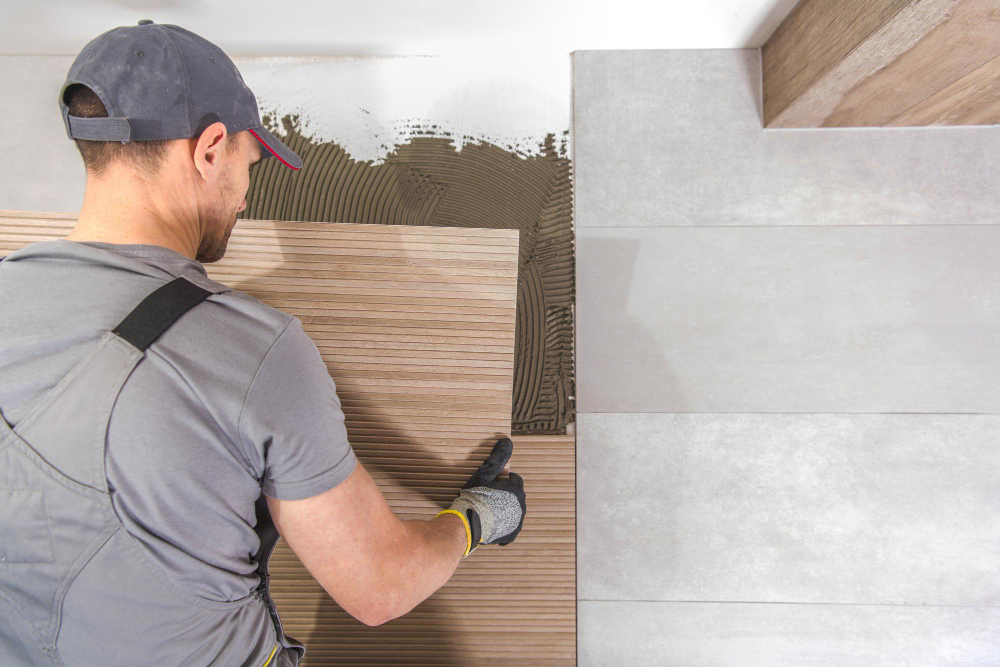
    Apply a layer of thin-set adhesive, using a notched trowel for an even spread. Press the tiles firmly into the adhesive, adding spacers to maintain consistent grout lines.

  5. Grouting the Tiles
    Once the adhesive has cured, fill the joints with grout, wiping off any excess. Allow the grout to set before cleaning tiles with a damp sponge.

  6. Sealing (if necessary)
    Seal natural stone tiles and grout to protect against moisture and stains. This step is essential for longevity and maintaining a fresh appearance.

Budget Considerations for Tile Installation

Tile installation costs vary based on material, design complexity, and labor. Here’s a general price range:

  • Ceramic and Porcelain: $3 to $10 per square foot
  • Natural Stone: $7 to $20 per square foot
  • Glass: $7 to $15 per square foot
  • Mosaic: $8 to $30 per square foot

DIY installation can reduce costs, but professional installation ensures quality and durability, especially for intricate designs.

Conclusion

Tile installation is a transformative choice for bathroom remodeling, adding style, durability, and value to your space. By carefully selecting materials, colors, and designs, you can create a bathroom that’s both practical and visually appealing. Whether you’re updating a small powder room or a spacious master bath, a well-chosen tile installation will elevate the overall look and feel of your bathroom for years to come.

Tile Installation: A Key Upgrade for Any Bathroom Remodel