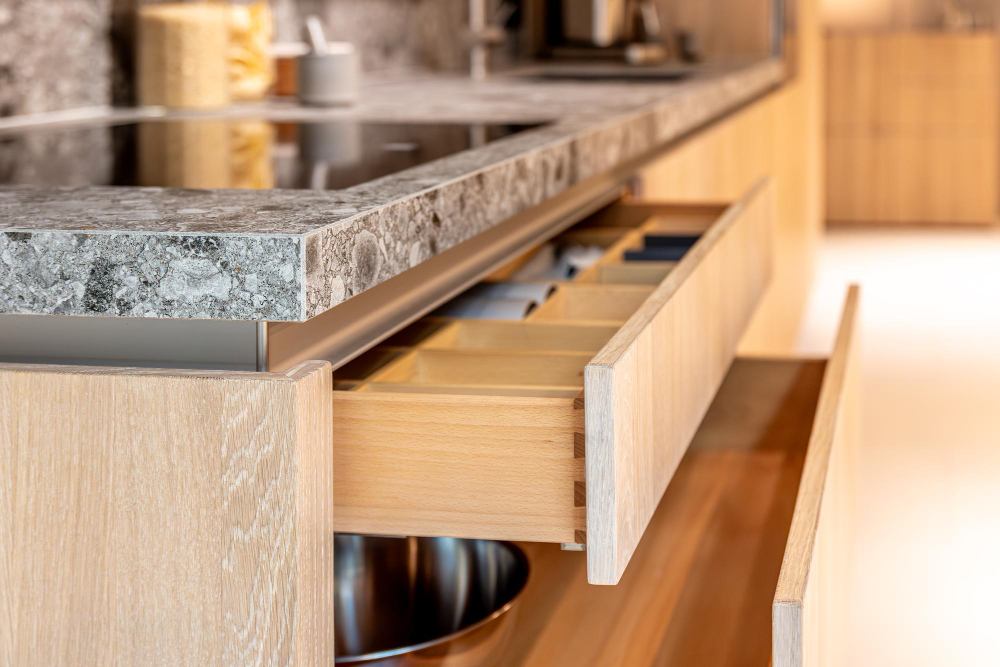
Countertops are one of the most important design elements in any kitchen or bathroom. They influence functionality, aesthetics, durability, and even the perceived value of a home. While homeowners often focus on materials and colors, one detail that is frequently overlooked is countertop thickness. The thickness of a countertop can significantly impact both the appearance and performance of the space.
Selecting the right thickness involves balancing design preferences, material capabilities, and practical needs. Understanding the available options can help homeowners create spaces that are both beautiful and functional.
Why Countertop Thickness Matters
Thickness affects much more than appearance. It influences structural support, edge profiles, installation requirements, and the overall style of the room.
Proper thickness selection can contribute to:
- Improved durability
- Enhanced aesthetics
- Better structural support
- Luxury appearance
- Long-term performance
These factors make thickness an important part of any remodeling project.
What Is the Standard Countertop Thickness?
Most residential countertops are manufactured in several standard dimensions. These measurements vary depending on the material and intended application.
Homeowners researching standard countertop thickness often encounter a few common sizes that are widely used throughout the industry.
Popular Thickness Options Include:
- 2 centimeters
- 3 centimeters
- 4 centimeters with built-up edges
Each option offers different aesthetic and structural characteristics.
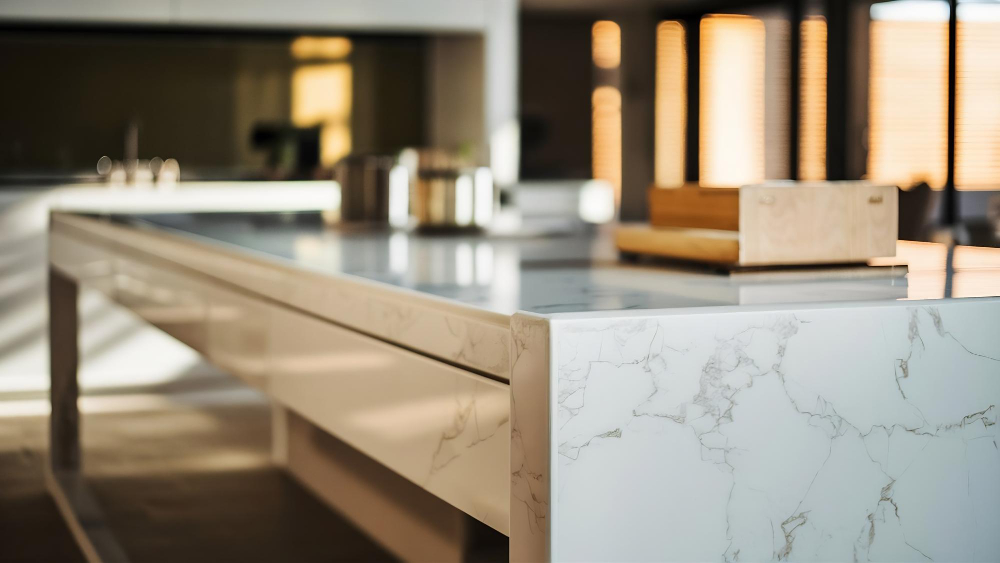
Thicker Countertops Create a Luxury Appearance
One of the biggest trends in modern kitchen design is the use of thicker countertop profiles. These substantial surfaces create a high-end appearance that complements contemporary and luxury interiors.
Waterfall islands and oversized kitchen islands often benefit from thicker countertop designs.
Material Influences Thickness Options
Different countertop materials support different thickness capabilities.
Common materials include:
- Quartz
- Granite
- Marble
- Dekton
- Solid surfaces
Material selection often determines which thickness options are available.
Kitchen Islands Benefit From Larger Profiles
Kitchen islands have become central gathering spaces in modern homes. Larger countertop profiles help emphasize their importance while adding visual weight to the room.
Many designers use thicker edges to create bold focal points.
Bathroom Countertops Require Different Considerations
Bathroom vanities often prioritize space efficiency and proportion. While luxury designs may use thicker profiles, some smaller bathrooms benefit from thinner, lighter appearances.
Selecting appropriate dimensions helps maintain visual balance.
Edge Profiles Affect Overall Appearance
Edge treatments work together with thickness to define the final look of the countertop.
Popular edge styles include:
- Straight edges
- Beveled edges
- Rounded edges
- Waterfall edges
- Mitered edges
Each option contributes to the countertop’s overall personality.
Structural Support Is Essential
Thicker materials are heavier and may require additional support depending on the installation design.
Proper support systems help prevent future issues and maintain long-term stability.
Professional Installation Is Critical
Countertop installation requires precision and expertise. Accurate measurements and secure support systems are necessary to ensure optimal performance.
Professional installation helps provide:
- Precise fitting
- Reliable support
- Professional appearance
- Long-term durability
Skilled workmanship protects both aesthetics and functionality.
Thickness Can Influence Home Value
Updated kitchens and bathrooms remain highly attractive to prospective buyers. Premium countertop installations often create stronger first impressions.
Well-designed surfaces contribute positively to overall property presentation.
Modern Design Trends Favor Bold Surfaces
Homeowners researching kitchen countertop thickness frequently discover that thicker profiles continue to grow in popularity among contemporary designs.
These larger surfaces create visual impact while supporting functional layouts.
Who Benefits Most from Thicker Countertops?
Thicker countertop designs may be especially beneficial for homeowners who:
- Prefer luxury aesthetics
- Have large kitchen islands
- Want bold focal points
- Are remodeling high-end kitchens
- Value long-term durability
These homeowners often appreciate the added visual presence.
Final Thoughts on Countertop Thickness
Countertop thickness is a small detail that can have a significant impact on both appearance and functionality. Choosing the appropriate profile helps create cohesive spaces that feel balanced, durable, and luxurious.
By considering material choices, structural requirements, and design goals, homeowners can select countertops that enhance their kitchens and bathrooms while providing long-term value for years to come.